
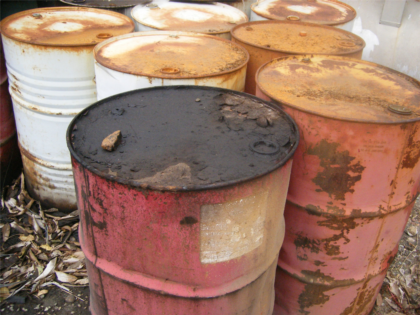
Waste oil, also called used oil, is any petroleum-based or synthetic fluid that has been used in a vehicle, truck, or industrial asset as a lubricant or heat transfer medium. Once the oil can no longer perform its intended function because its inherent properties have been depleted, it enters a disposal pathway. Australia has well-established networks for collecting, processing, and reusing these oils, and in certain circumstances Benzoil buys waste oil directly from generators.
Understanding how waste oil is valued helps businesses make informed decisions about their used oil streams. The short answer is that value depends on international oil pricing, the quality and composition of the oil, volume, location, and what the downstream market is prepared to pay.
What Drives the Value of Waste Oil?
The primary drivers of waste oil value are tied to international crude oil benchmark prices such as Brent Crude and WTI (West Texas Intermediate). Even Australian diesel terminal gate pricing tracks global crude oil movements. The largest buyers of waste oil in Australia are large-scale re-refiners, who treat used oil as a feedstock to produce base oil and other products. The price these re-refiners can achieve for their output, namely refined base oil, is governed by the international price for virgin base oils, which closely follows crude oil benchmarks.
As a result, when crude oil prices fall, so does the sale price of refined base oil, which in turn reduces what re-refiners are prepared to pay for used oil feedstock. Simple supply and demand economics apply throughout the chain. In 2025 and into 2026, global crude oil markets have remained volatile, with Brent prices fluctuating considerably in response to geopolitical events and supply-side decisions, which means used oil values in the Australian market have also moved accordingly.
Australia's Product Stewardship (Oil) scheme provides a separate support mechanism for the used oil recycling industry. Under the scheme, recyclers can claim government benefits ranging from 3 to 50 cents per litre depending on the category of recycled product produced, with Category 1 re-refined base oil attracting the highest benefit rate of 50 cents per litre. These benefits help underpin the economics of re-refining in Australia and provide some buffer against international price volatility.
Which Waste Oils Does Benzoil Buy?
Benzoil does buy waste oil in the right circumstances, and some oil streams are more commercially attractive than others. Light, clean oils that have not been carbonised or scorched attract considerably more interest than heavily contaminated black sump oil. The two broad categories are black oil and light oil, and the criteria that determine their value include:
- Volume available for collection
- Location and accessibility of the collection site
- Oil type and likely contaminant profile
- Complexity of collection, for example whether oil is in a tank or needs to be pumped from assets or equipment
- Laboratory analytical results showing levels of contaminants including solids, particulate matter, solubles, moisture, sludge, and other chemical by-products
The more information a waste oil generator can provide upfront, the more accurately Benzoil can assess the stream and provide a clear indication of any payment or service fee that applies.
The Role of Re-Refining in Australia's Used Oil Economy
Re-refining takes used oil and processes it back into high-quality base oil suitable for re-use as lubricants, hydraulic fluids, or transformer oil. This circular approach is supported by state EPA frameworks across New South Wales, Victoria, and Queensland, and is central to Australia's environmental management of liquid industrial wastes.
Re-refiners operate sophisticated facilities and rely on consistent, quality feedstock. When the used oil supply outpaces demand from re-refiners, as can happen during periods of low crude oil pricing, the value paid for waste oil feedstock drops or disappears entirely. This is not a permanent condition; pricing cycles, and operators who build ongoing relationships with established waste oil collectors tend to get better outcomes over time than those who approach the market on an ad-hoc basis.
Oil Waste Disposal When Purchase Is Not Viable
Not every used oil stream will attract a payment. Heavily contaminated oils, low volumes, or oils generated in remote locations may be subject to a collection or disposal fee rather than a purchase arrangement. This is standard practice across the waste oil industry in Australia.
Regardless of whether a payment applies, engaging a licensed oil waste disposal company ensures the oil is handled in a compliant manner. State EPAs require that used oil be stored safely, transported by licensed carriers, and processed at an approved facility. Benzoil provides the documentation and chain-of-custody records necessary to satisfy these requirements.
Key Takeaways
- Benzoil buys waste oil in circumstances where the oil type, volume, and quality make it commercially viable as re-refining feedstock.
- Used oil value is primarily driven by international crude oil benchmark prices and the downstream market for re-refined base oil.
- Australia's Product Stewardship (Oil) scheme supports re-refiners with benefit payments of up to 50 cents per litre for Category 1 re-refined base oil.
- Light, clean oil streams attract the most interest; contaminated or low-volume streams may incur a disposal fee rather than attracting payment.
- Providing advance information about oil type, volume, and contaminants allows for accurate and prompt assessment.
- All collections are supported by compliance documentation for state EPA requirements.
Find Out What Your Waste Oil Is Worth
To discuss your used oil stream and find out whether a purchase arrangement applies, contact the Benzoil team. Contact us here, call 0497 645 008, or email info@benzoil.com.au.


