The business of waste management plays a critical role in keeping Australia clean, compliant, and free from contamination. Across the country, there are hundreds of operators in the market, ranging from small owner-drivers to large national corporations with multiple sites, service lines, and business units.
What has not changed over the years is that the sector continues to move in cycles. Large organisations often grow through acquisition, expanding quickly by absorbing smaller businesses. Over time, that growth can create scale and market reach, but it can also lead to complexity, inefficiency, and rising overheads. When profitability tightens, divestments and restructures often follow. In 2026, that pattern is still highly relevant, but the pace of consolidation is increasing.
Waste Management in Australia Is Entering a New Phase of Consolidation
Across adjacent sectors such as insurance, brokerage, and risk management, mergers and acquisitions are accelerating as firms chase scale, diversification, and stronger capital deployment. Similar pressures are shaping Australia’s waste industry, especially in specialist streams such as hazardous liquid waste management, oil waste disposal, and regulated collection services.
For waste businesses, this means regulatory obligations are increasing at the same time as competition intensifies. Larger operators are seeking broader national footprints, while smaller businesses are looking for ways to remain agile and commercially viable. This creates both pressure and opportunity for companies that need dependable waste partners, particularly where compliance, transport, treatment, and reporting all matter.
In practical terms, businesses generating difficult waste streams can no longer rely on a simple “pickup and dispose” mindset. They need confidence that their provider understands the market, knows which facilities are available, and can navigate changing commercial conditions without disrupting service.
Small Operators and Large Waste Companies Still Serve Different Roles
At the smaller end of the market, operators can remain lean and responsive. In some cases, a waste oil collection business may consist of a single truck and a single operator servicing a local region. These businesses can offer flexibility and personal service, particularly for straightforward collection requirements.
At the larger end of the scale, waste companies invest significant capital into treatment and processing infrastructure. These sites may handle solid waste, liquid waste, hazardous waste, and specialised recovery streams. The cost of establishing and operating these facilities is substantial, with licensing, regulatory approvals, environmental controls, and advanced treatment technology all adding to the burden.
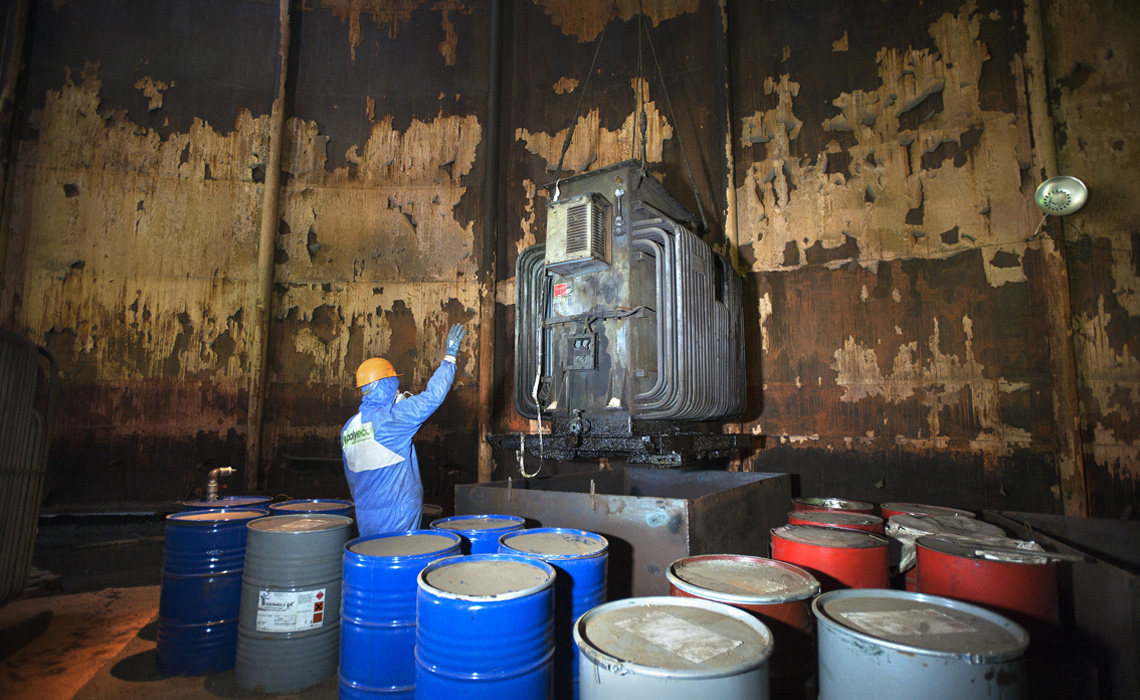
This is especially true for more sensitive waste categories, including used transformer oil, waste transformer oil, and other industrial oils that may require testing, segregation, recovery, transport coordination, and compliant downstream processing. In these areas, choosing the right pathway is not just about price. It is about environmental responsibility, traceability, and risk reduction.
Why Specialist Knowledge Matters More in 2026
As the market consolidates, businesses are increasingly looking for advisers who understand the detail behind waste movements, approvals, and treatment options. This is where Benzoil’s role becomes valuable.
Benzoil occupies a unique position in the Australian market. We do not simply approach waste as a one-size-fits-all service. Depending on the situation, we may act as a facilitator, trader, consultant, commission agent, wholesaler, or broker. That flexibility allows us to match waste streams with the right collection, recovery, recycling, or disposal pathway based on the commercial and compliance realities of each job.
We maintain strategic relationships with many of Australia’s waste management companies and hold preferred supply arrangements with selected facilities. That means clients can tap into a network rather than relying on a single limited option. In a market where ownership structures, service territories, and treatment availability can change quickly, that access matters.
A Better Approach to Industrial Oil and Liquid Waste Streams
Many industrial businesses generate waste oils and related liquids that require careful handling. These materials may include electrical insulating oil, used transformer oil, and other regulated hydrocarbon waste streams. Depending on the material and its condition, the most suitable outcome may involve transformer oil recycling, transformer oil recovery, or compliant disposal through approved channels.
There is also an important distinction between recyclable oil and contaminated oil that may trigger additional controls. In some cases, businesses may require support with PCB oil disposal, particularly where legacy equipment, historical contamination, or testing results indicate elevated risk. These are not waste streams that should be handled casually. They demand technical understanding, access to suitable service providers, and a clear focus on legal compliance and environmental protection.
Benzoil helps businesses navigate these complexities. Whether the requirement involves recycling transformer oil, arranging waste oil collection, coordinating oil collection services across multiple sites, or finding practical liquid waste disposal services, our role is to simplify the process while protecting the client’s commercial and compliance interests.
Why Benzoil’s Broker Model Makes Sense
Most people already understand the value of a specialist intermediary in other industries. Businesses routinely rely on insurance brokers, finance brokers, and property professionals because those advisers understand the market, compare options, and help avoid costly mistakes.
The same logic applies in waste. As consolidation increases and regulations remain demanding, businesses benefit from working with a knowledgeable middle-man who can identify the right provider, the right facility, and the right commercial structure for each waste stream.
Rather than being tied to one treatment plant or one operating model, Benzoil works across the market. That gives our clients access to broader solutions for hazardous waste oil disposal, oil waste disposal, waste oil collection, and other specialised services. It also means we can respond to changes in capacity, geography, regulation, and cost more effectively than a narrow single-channel provider.
The Real Message for Australian Businesses
The waste industry is becoming more complex, not less. Consolidation will continue. Compliance expectations will remain high. Treatment costs, logistics, and service availability will keep shifting. For businesses that generate liquid or hazardous waste, the key question is no longer just who can collect it. The question is who can help manage it properly, strategically, and with confidence.
That is where Benzoil adds value. We help clients cut through a fragmented and changing market, connect with the right waste oil disposal companies, and secure practical outcomes for difficult waste streams. Our role is not simply transactional. It is consultative. We help businesses make smarter decisions around collection, recovery, recycling, and disposal.
Talk to Benzoil
If your business needs support with hazardous liquid waste management, transformer oil recycling, used transformer oil, waste oil collection, or liquid waste disposal services, Benzoil can help.
Contact Benzoil today to discuss the right solution for your waste stream:
- Contact Form: https://benzoil.com.au/contact/
- Phone: 0497 645 008
- Email: info@benzoil.com.au