
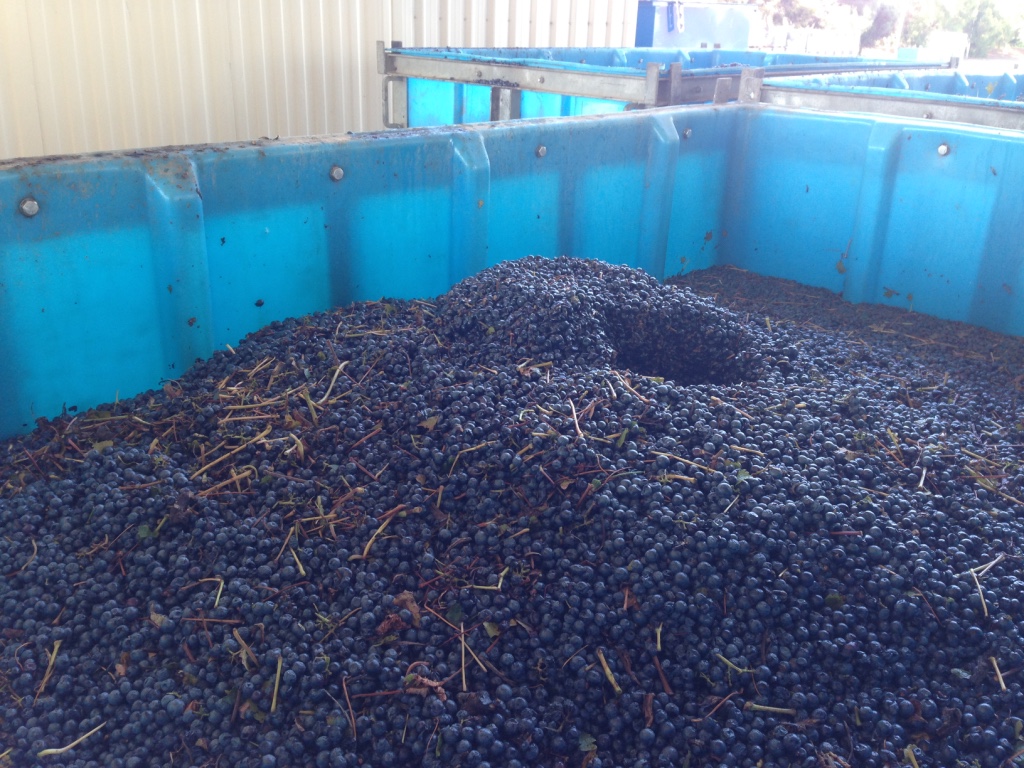
Food manufacturing generates substantial volumes of by-products at every stage of processing. Rather than treating these streams as waste, Australian food manufacturers increasingly recognise them as a source of real economic and environmental value. GrainOut, the specialist food by-product business unit of Benzoil surplus management, works with manufacturers across Australia to ensure that by-product streams are collected, redirected, and converted into useful products wherever possible.
The Scale of Food By-Product Waste in Australia
Approximately 38 percent of food waste in Australia arises during food processing, before product ever reaches retail. Food waste overall costs the Australian economy over 36 billion dollars annually. Processing by-products from the seafood, dairy, grain, and fresh produce sectors represent a significant share of this figure, yet many of these streams contain high levels of protein, fibre, minerals, fatty acids, and bioactive compounds that give them genuine value in secondary applications.
Australia's National Food Waste Strategy and the broader circular economy agenda being advanced by federal and state governments call on industry to move up the food waste hierarchy, prioritising repurposing and redistribution over disposal through resource recovery. For food manufacturers, engaging a specialist food by-product management partner is one of the most direct ways to act on those commitments.
Categories of Food By-Product Streams
GrainOut handles by-product removal across a wide range of industry sectors. Common streams include:
- Fruit and vegetable processing residues: peelings, stems, seeds, shells, bran, and trimmings
- Grain processing by-products: bran, middlings, silverskins, and flour fractions
- Winery by-products: vine prunings, grape stalks, grape pomace, grape seeds, yeast lees, tartrate, and wastewater
- Seafood by-products: skins, bones, oils, and blood
- Meat processing by-products
- Dairy by-products: whey, curd, and milk sludge
High-Fat and High-Protein By-Products Suited to Animal Feed
Food by-products with significant fat and protein content are well suited to conversion into animal feed, and this pathway keeps value within the food system rather than routing material to landfill. GrainOut manages the following types of feed-suitable by-product:
- Dough waste and noodle waste
- Bran and middlings
- Oat waste including flour and flakes, and oat bran
- Brown rice waste, rice bran, and rice flour
- Silverskins from coffee or cereal processing
- Molasses
- Root vegetables and beet fractions
- Whey
- Pomace from grape and apple processing
Australian Standard AS 5812-2023 governs the manufacture of stockfeed, and GrainOut works within this framework to ensure by-product streams destined for animal feed applications meet quality assurance requirements. The Australian Pesticides and Veterinary Medicines Authority (APVMA) also sets out conditions under which food-processing by-products may be used as non-medicated feed without requiring individual product registration.
Winery By-Products
Australia is a major wine-producing nation, and viticulture and winemaking generate a diverse range of by-product streams. Vine prunings, grape stalks, grape pomace, grape seeds, yeast lees, tartrate, and processing wastewater all require management at the end of each vintage.
Grape pomace is particularly interesting from a value-generation perspective. It contains ethanol, tartrates, malates, citric acid, grape seed oil, hydrocolloids, and dietary fibre. Its nutrient profile makes it suitable for blending into animal feed formulations, extending its commercial life and reducing disposal costs for wineries. Grape seeds carry high levels of linoleic acid, and cold-pressed grape seed oil has recognised dietary and health benefits, creating a further extraction opportunity before the residual solids move to a feed or composting pathway.
Seafood By-Products
Australia's seafood processing industry generates by-product from both freshwater and saltwater species, including skins, bones, oils, and blood. Fish meal is one of the primary value-added outputs from this stream. With a nutritional profile of approximately 70 percent protein, 10 percent mineral, and 9 percent fat, fish meal is a high-quality ingredient for aquaculture and livestock feed blends. Fish trimmings, frames, and milled dry waste can all be processed into fish meal, recovering protein and minerals that would otherwise be lost.
Dairy By-Products
The dairy sector produces whey, curd, and milk sludge as processing by-products. Whey is protein-rich, contains lactose, minerals, and nitrogenous compounds, and has documented nutritional and biological properties. Australia produces a substantial volume of liquid whey annually from cheese and casein manufacture, and the management of this stream is an active focus for the industry under the Dairy Sector Action Plan, which specifically calls for the assessment of commercial pathways to convert excess whey into value-added products.
Regulatory and Commercial Considerations
Managing food by-products in Australia requires awareness of both regulatory obligations and commercial realities. Adopting the right Benzoil model for by-product handling is one of the most direct ways to meet these obligations. State EPAs regulate the disposal of organic waste streams, and some by-products, particularly those with high biological oxygen demand such as dairy sludge or fruit processing wastewater, require specific permits for land application or discharge through appropriate waste management channels. Food-grade by-products destined for animal feed must comply with the APVMA's requirements for non-medicated feed ingredients and, where relevant, the AS 5812-2023 manufacturing standard for stockfeed.
On the commercial side, the value of a by-product stream depends on its composition, consistency, and volume. Buyers of animal feed ingredients require reliable supply with documented nutritional analysis. GrainOut, part of the Benzoil business, includes testing and characterising by-product material, establishing the appropriate commercial pathway, and managing ongoing supply logistics so that food manufacturers receive a predictable return rather than treating these streams as a disposal cost.
Key Takeaways
- Around 38 percent of Australian food waste arises during processing, making manufacturer-level by-product management a high-priority opportunity.
- Food by-products contain protein, fibre, minerals, fatty acids, and bioactive compounds that give them real secondary value.
- Animal feed is the most common destination for high-fat, high-protein processing residues, with pathways regulated under AS 5812-2023 and the APVMA framework.
- Winery, seafood, and dairy sectors all generate by-products with well-established value-adding routes, including grape seed oil extraction, fish meal production, and whey protein processing.
- GrainOut, the food by-product specialist within the Benzoil group, partners with Australian food manufacturers to identify and realise these opportunities.
Frequently Asked Questions
What types of food by-products does GrainOut collect and manage?
GrainOut handles a broad range of food processing residues, including fruit and vegetable trimmings, grain processing by-products such as bran and middlings, winery by-products including grape pomace and yeast lees, seafood processing residuals, and dairy streams such as whey and milk sludge.
Can food processing by-products be used as animal feed in Australia?
Yes. Food by-products with high protein and fat content, such as bran, middlings, whey, pomace, and dough waste, are well-suited for use in animal feed formulations. Commercial use must comply with the AS 5812-2023 stockfeed manufacturing standard and the APVMA framework for non-medicated feed ingredients.
How much of Australia's food waste comes from food processing?
Approximately 38 percent of food waste in Australia arises during food processing, before product reaches retail. This represents the largest single stage of the food supply chain for waste generation and is therefore a high-priority area for intervention under Australia's National Food Waste Strategy.
What value can be extracted from winery by-products such as grape pomace?
Grape pomace contains ethanol, tartrates, malates, citric acid, grape seed oil, hydrocolloids, and dietary fibre. These components support multiple extraction pathways, including cold-pressed grape seed oil production and blending into animal feed formulations, allowing wineries to recover commercial value from material that would otherwise be a disposal cost.
Does GrainOut operate across all Australian states?
GrainOut works with food manufacturers and by-product holders across metropolitan and regional Australia. Collection logistics and supply partnerships are coordinated nationally to match by-product supply with animal feed buyers and value-adding processors regardless of location.
Talk to GrainOut About Your Food By-Product Streams
If your business generates food processing by-products and you want to explore value-adding options or arrange reliable collection and removal, the GrainOut team is ready to assist. Contact us here, call 0497 645 008, or email info@benzoil.com.au.


