
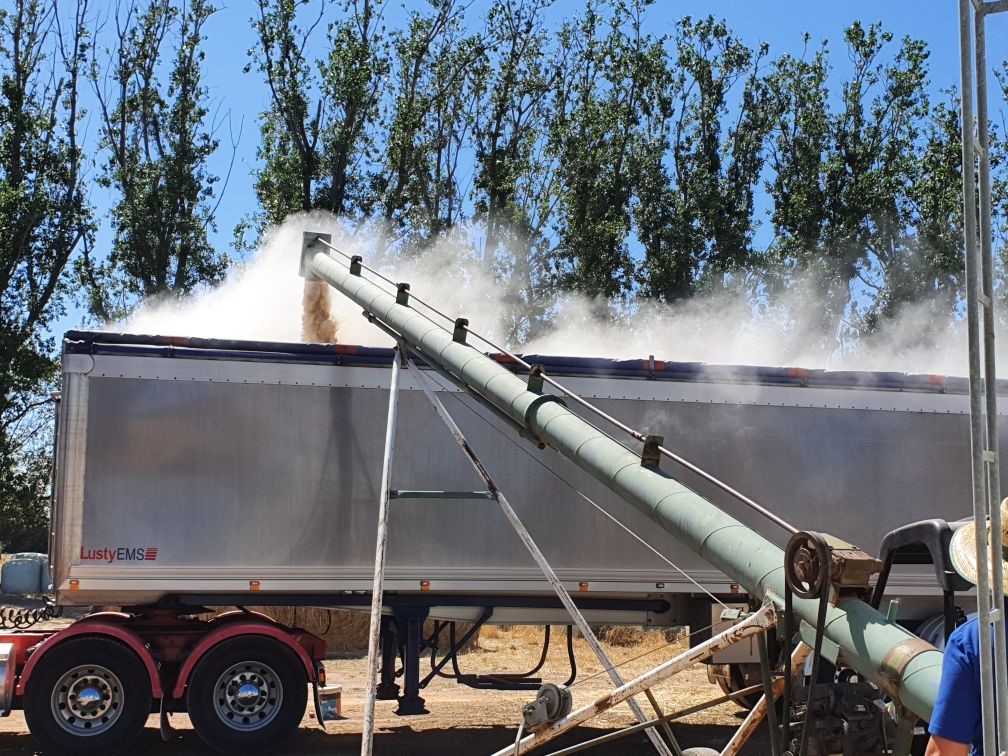
Consumer demand for high-protein, plant-based foods is growing faster than most sectors of the Australian food industry. Protein has moved from a niche consideration to a mainstream purchasing driver, and plant-based alternatives to meat and dairy now occupy significant shelf space in major Australian supermarkets. This article examines the opportunity that legume processing by-products present to food innovators in Australia, and how GrainOut's food by-product services connect ingredient suppliers with manufacturers looking to develop the next generation of plant-based products.
Why Pea Protein is Gaining Ground on Soy
Soy protein has long been the dominant plant protein in meat and dairy alternatives, but concerns about genetically modified (GM) crop contamination and soy allergens are driving a meaningful shift in formulator preference. Pea protein, derived from yellow split peas or field peas, offers a non-GM, allergen-free alternative with a strong amino acid profile. In Australia, the pea protein market was valued at approximately AUD 170 million in 2025 and is projected to grow at a compound annual growth rate of 15.9 percent through to 2035, reaching around AUD 747 million. This growth is supported by the fact that approximately 2.5 million Australians follow predominantly vegetarian or vegan diets, and a broader cohort of flexitarian consumers are actively reducing their meat intake.
Pea protein can be extracted through legume fractionation technologies, and resource recovery principles apply equally to these processing residues as to industrial streams that separate proteins from legume seeds, yielding a clean, concentrated protein ingredient suitable for food fortification. The resulting pea protein isolate, carrying 85 to 90 percent protein by weight, is finding application in sports nutrition powders, beverages, plant-based meat alternatives, and infant formula. Australian-produced pea protein isolates from companies such as Wide Open Agriculture are demonstrating competitive gel strength, solubility, and functional performance in food manufacturing contexts.
The Untapped Potential of Legume Processing By-Products
When legumes are processed, the primary protein fraction is the main commercial product. However, substantial quantities of flour, husks, and other fractions remain as by-products. These materials carry significant nutritional value: approximately 20 percent protein, 40 percent fibre, and 4 percent fat by weight. Pea pollard, the fine milling fraction from field pea processing, is readily available, cost-effective, and easily incorporated into food formulations.
Lentils and peas have been cultivated for over 8,500 years, yet the food-grade application of their processing by-products remains far less developed than their potential warrants. Legume processing in Australia takes place in food-grade certified facilities operating under HACCP and ISO-recognised quality systems. The infrastructure for food-safe handling is already in place; what is missing is the commercial connection between by-product availability and innovative food manufacturers prepared to use these ingredients.
The legume product market in Australia expanded by 95 percent between 2019 and 2021, driven by snack products, protein-fortified foods, and plant-based alternatives. The number of products carrying plant-based on-pack claims grew by over 26 percent during that two-year period alone. This trajectory reflects a consumer base that is actively seeking high-protein, plant-derived food options, many of which can be formulated using legume by-product fractions that currently have limited application.
Food-Grade Applications for Legume By-Products
Legume flour and high-protein fractions from pea, lentil, and faba bean processing can serve as functional ingredients across a broad range of product categories:
- High-protein pasta and noodles
- Crisps and extruded snack products
- Plant-based patties and nuggets
- Protein-fortified beverages and smoothies
- Baby food and toddler nutrition products
- Plant-based milks and cheese alternatives
- Baked goods including biscuits, protein bars, and muffins
Proteins from these sources contribute satiety, help moderate blood glucose response after meals, and support metabolic function. The fibre content of legume by-products adds further nutritional benefit as consumer awareness of gut health grows. These characteristics align with the Australian Dietary Guidelines' recommendations to increase legume consumption, and they support the health and sustainability claims that are increasingly important to Australian food buyers.
The Innovation Gap and the Case for Collaboration
Despite the scale of the opportunity, the application of legume processing by-products in food-grade settings remains underdeveloped in Australia. The by-products are available, the consumer demand for high-protein plant-based foods is established and growing, and the processing infrastructure for food-safe handling already exists. What bridges the gap is commercial relationships between by-product holders and food innovators. Businesses ready to explore options can request a quote for ingredient supply with the technical capability to turn these ingredients into finished products.
GrainOut actively works to build those connections as part of the Benzoil surplus management business. The business unit sources legume processing by-products and seeks to partner with food manufacturers, ingredient developers, and start-ups with an interest in plant-based food product development using pea, lentil, and faba bean fractions.
Regulatory and Food Safety Context
Legume processing in Australia takes place under HACCP-based food safety management systems and often within ISO-certified facilities. For by-products from these facilities to be used in food-grade applications, they must maintain traceability from the processing site and comply with applicable standards under Food Standards Australia New Zealand (FSANZ). Operators managing these streams benefit from specialist waste management support, including labelling requirements and allergen declarations where relevant. GrainOut works with suppliers to ensure that by-product material offered into food manufacturing channels carries the documentation and analytical data that ingredient buyers need.
For those considering plant-based food product development using legume fractions, the regulatory pathway in Australia is relatively well established for ingredients derived from conventional legumes such as peas, lentils, and faba beans. Novel food approvals under FSANZ Standard 1.5.1 may be required for less familiar sources, but mainstream legume proteins and flours do not require pre-market approval, making them accessible starting points for product development.
Key Takeaways
- Australia's pea protein market is growing at nearly 16 percent annually and is projected to reach AUD 747 million by 2035.
- Pea protein's non-GM and allergen-free status makes it an increasingly preferred alternative to soy protein in plant-based food formulation.
- Legume processing by-products including flour, husks, and pollard contain approximately 20 percent protein, 40 percent fibre, and 4 percent fat, giving them genuine food-grade value.
- The Australian legume product market nearly doubled between 2019 and 2021, with strong growth in snacks, protein foods, and plant-based alternatives.
- GrainOut connects by-product suppliers with food innovators to develop commercial applications for these high-value ingredients.
Frequently Asked Questions
Why is pea protein becoming more popular than soy protein in Australia?
Pea protein offers a non-GM and allergen-free alternative to soy, which is important to Australian food manufacturers seeking to avoid GM crop contamination concerns and soy allergy issues. Pea protein also has a strong amino acid profile and is cost-effective, supported by growing domestic field pea production.
What are legume processing by-products and can they be used in food?
Legume processing by-products include flour, husks, and pollard generated when peas, lentils, and faba beans are processed into protein concentrates or isolates. These fractions typically contain approximately 20 percent protein, 40 percent fibre, and 4 percent fat, and are well suited to food-grade applications including flatbreads, pasta, baked goods, and protein bars.
How large is the plant-based food market in Australia?
Australia's pea protein market alone was valued at approximately AUD 170 million in 2025 and is projected to reach around AUD 747 million by 2035, growing at a compound annual growth rate of approximately 15.9 percent. Approximately 2.5 million Australians follow predominantly vegetarian or vegan diets, with a broader flexitarian consumer cohort also driving demand for plant-based alternatives.
Do legume by-product ingredients require novel food approval in Australia?
Mainstream legume proteins and flours derived from peas, lentils, and faba beans do not require pre-market approval under FSANZ Standard 1.5.1, making them accessible starting points for plant-based food product development. Novel food approvals may be required for less familiar legume sources or significantly modified fractions.
How does GrainOut support plant-based food product development?
GrainOut sources legume processing by-products and connects by-product holders with food manufacturers, ingredient developers, and start-ups working on plant-based food applications. The business provides analytical data, traceability documentation, and commercial structuring support to ensure ingredient supply meets food manufacturing requirements.
Partner with GrainOut on Plant-Based Food Innovation
If you are a food manufacturer or innovator interested in incorporating Australian-sourced legume by-products into plant-based food products, GrainOut would like to hear from you. Contact us here, call 0497 645 008, or email info@benzoil.com.au.


